Abstract
Attention is a central mechanism for prioritizing and shaping sensory information. For example, directing attention away from injury reduces perceived pain. Whether such cognitive modulation extends to downstream biological processes has remained unknown. Here, across three pre-registered within-subjects experiments using acute skin inflammation as a model system, we show that directing attention towards bodily sensations, compared to attentional distraction, produces markedly more regulated immune responses, with distinct temporal dynamics. This effect was highly consistent (~90% of participants across two independent cohorts) and substantial, with ~1.5-fold smaller responses under internal attention. Mechanistically, two complementary pathways emerged: a sensory-dependent route, in which attentional modulation of identical input scaled inflammatory magnitude, and a top-down route engaging parasympathetic vagal activity. These results establish attention as a cognitive mechanism capable of regulating immune function in vivo. Situated within predictive and allostatic models of brain–body control, our results reframe perception as biologically consequential rather than merely experiential.
Main
Attention is a core cognitive mechanism that prioritizes sensory information for neural processing. It not only shapes neural activity but also modulates the perceived intensity of sensory events, including those arising from the body, such as pain and itch [^1] [^2] [^3]. These sensory signals provide critical information for the regulation of immune responses. In line with this idea, rodent studies show that disrupting neural pathways conveying nociceptive signals leads to immune dysregulation [^4] [^5]. In humans, attending away from pain or itch reduces perceived unpleasantness [^6] [^7], yet this withdrawal of attention may disrupt the integration of bodily sensations with neural control of immune regulation, a possibility left largely unexplored.
Recent theoretical frameworks propose that cognition contributes to biological regulation through allostasis, the predictive control of internal bodily states [^8] [^9]. In this view, the brain maintains physiological stability by anticipating bodily demands and adjusting autonomic, endocrine and immune activity accordingly [^10] [^11] [^12]. Attention may serve this process by modulating the gain of sensory signals that report on bodily condition, thereby shaping both perception and downstream regulatory responses. In parallel, autonomic circuits, particularly the parasympathetic vagus nerve, provide top-down anti-inflammatory regulation [^13] [^14]. Together, these lines of evidence suggest that attention could influence acute inflammation via two complementary mechanisms: sensory modulation of inflammation-related signals and autonomic engagement of the parasympathetic vagal pathway.
Despite these insights, no study has directly tested whether voluntary attention can regulate acute inflammation in humans. Acute inflammation is a fundamental protective response, initiated quickly to contain injury and infection. Traditionally, such responses have been considered reflexive and autonomous, unfolding independently of voluntary influence. However, immune activity is closely coupled to sensory and autonomic neural circuits, and growing evidence suggests that the brain can shape inflammatory processes [^13] [^15] [^16] [^17]. Understanding whether cognitive states can causally influence acute immune responses in humans would redefine the boundaries of neuroimmune regulation.
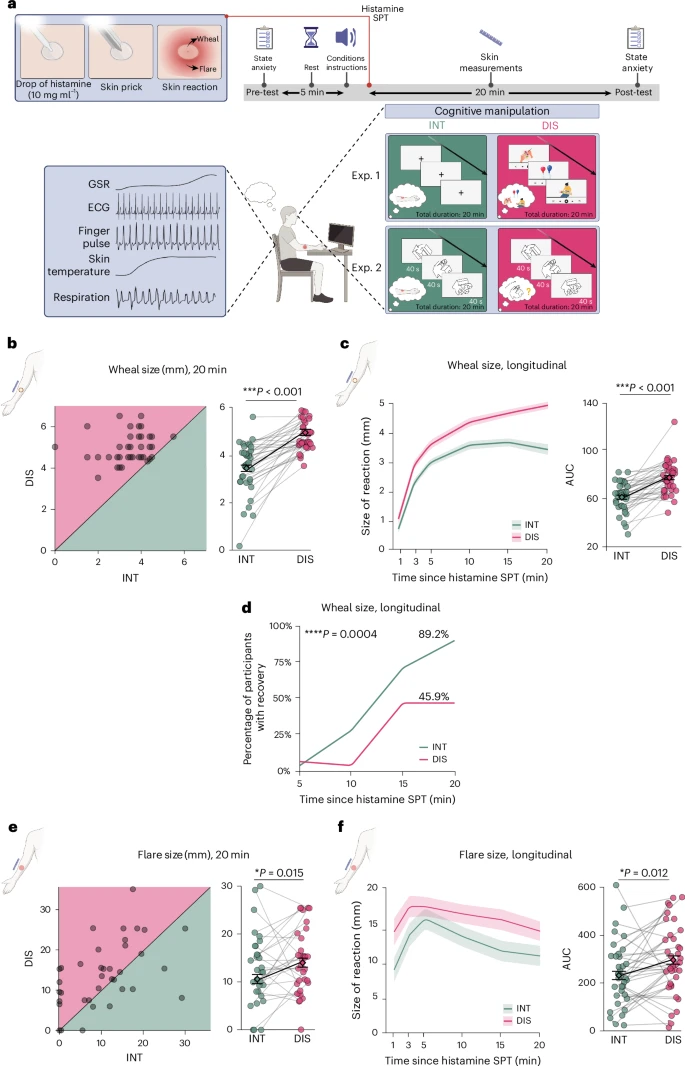
To address this gap, we tested whether directing attention towards versus away from bodily sensations during acute inflammation regulates the immediate immune response. An experimenter blinded to experimental conditions used the standardized histamine skin prick test (SPT) [^18] [^19] to induce a brief, well-characterized inflammatory reaction in the skin, an accessible neuroimmune interface densely innervated by sensory fibres and populated by immune cells. This response emerges within minutes, peaks around 15–20 min and is quantified via wheal (oedema) and flare (erythema) (Fig. 1a). Smaller inflammatory responses are commonly interpreted as reflecting more regulated immune activity [^6] [^19] [^20] [^21] [^22], consistent with allostatic accounts in which reduced amplitude and faster resolution reflect more efficient biological control.
Fig. 1: Voluntary attention versus distraction regulates acute cutaneous inflammation in vivo (Exp. 1).
Across three pre-registered within-subjects experiments, from inflammation induction and throughout the 20-min period, participants maintained gaze on the screen while directing attention either internally to sensations at the test site or externally to distractors (Fig. 1a), in line with prior work contrasting interoceptive and exteroceptive attention [^23] [^24]. In each experiment, conditions were completed within individuals in counterbalanced order, with participants serving as their own control, allowing a direct causal test of how attention shapes inflammatory magnitude and temporal dynamics. Experiments varied systematically in their attentional tasks: Experiment 1 (Exp. 1) contrasted internal attention with video-based distraction, Exp. 2 equated visual input and task structure to isolate internal attention per se, and Exp. 3 tested mechanistic contributions of sensory signalling. Autonomic pathways were assessed across all three experiments (Methods). Together, these experiments provide convergent tests of whether voluntary attention regulates acute inflammatory responses.
Internal attention versus distraction regulates the acute inflammatory response
We first tested whether voluntarily directing attention towards bodily sensations influences the immediate inflammatory response. In Exp. 1 (n = 37), participants underwent histamine-induced skin inflammation while maintaining gaze on the screen for the following 20 min. Attention was directed either internally towards sensations at the test site or externally towards distracting video clips (Fig. 1a). Manipulation checks confirmed successful engagement of the instructed attentional state (Supplementary Section 3).
In line with our pre-registered hypotheses, internal attention produced a substantially smaller and more regulated inflammatory response than distraction, with reduced wheal and flare at the 20-min peak (wheal, 3.5 ± 1.1 versus 5.0 ± 0.7 mm; t 36 = 7.9, P < 0.001, Cohen’s d = 1.30, 95% CI (0.86, 1.73); flare, 10.6 ± 8.3 versus 14.0 ± 8.0 mm; t 36 = 2.5, P = 0.015, d = 0.42, 95% CI (0.08, 0.75); Fig. 1b,e). The effect was robust, with ~90% of participants showing greater inflammation under distraction (Fig. 1b,e, left), and the magnitude was substantial, with wheal and flare increasing by ~1.5-fold on average (Fig. 1b,e, right).
Examining the temporal dynamics of the wheal response (Fig. 1c), internal attention resulted in reduced overall inflammatory activity across the 20-min period (Supplementary Table 1.2; area under the curve (AUC), t 36 = 6.7, P < 0.001, d = 1.11, 95% CI (0.69, 1.51)). It also produced differences in response trajectories (Supplementary Table 1.3; Condition × Time interaction, F 2.3,81.6 = 8.7, P < 0.001, η [2] partial = 0.20), with post hoc tests indicating that significant differences between conditions emerged within 3 min and increased over time, peaking at 20 min (Supplementary Table 1.4). To further characterize these dynamics, we conducted a mixed-effects slope analysis focusing on the 10–20-min resolution phase. This analysis revealed a significant difference in the rate of change between conditions (Supplementary Section 2), consistent with a greater decline towards baseline under internal attention. To isolate recovery dynamics from the overall response magnitude, we quantified the proportion of participants showing stabilization or decline of the wheal response after 20 min, irrespective of absolute response size. Nearly 90% of participants in the internal attention condition met this criterion, compared with 46% under distraction (Fig. 1d).
Flare responses also showed a significant reduction in magnitude under internal attention compared to distraction but did not differ significantly in their trajectories (Fig. 1f and Supplementary Table 1.3). Cumulative analyses indicated that the overall flare inflammatory activity across the 20-min period was ~1.3-fold smaller under internal attention than under distraction (Fig. 1f and Supplementary Table 1.2).
Overall, under an identical immune challenge within the same individuals, voluntarily engaging attention with bodily sensations from an inflammation site regulated both the magnitude and temporal evolution of the inflammatory response compared with distraction.
Attentional regulation of inflammation is independent of task demands
To address the possibility that differences in visual input or task demands contributed to the effects observed in Exp. 1, we conducted a second pre-registered experiment on an independent sample (Exp. 2, n = 20). Here, visual input and task structure were identical across conditions: all participants viewed the same continuous sequence of abstract shapes. In the internal attention condition, participants used each shape change as a cue to return attention to sensations at the inflamed site, whereas in the distraction condition, they mentally evaluated whether each shape could plausibly exist in real life (Fig. 1a and Methods). Thus, visual stimulation and task structure were identical, and cognitive demands matched. Manipulation checks confirmed stronger attentional engagement in the internal attention condition than in the distraction condition, using both subjective attention ratings and objective task performance measures (Methods and Supplementary Fig. 3b,c), with no differences in perceived task difficulty (Supplementary Fig. 3d).
Despite identical visual stimulation and matched cognitive demands, internal attention again produced markedly smaller inflammatory responses than distraction. Wheal and flare magnitudes were overall ~1.6-fold reduced under internal attention, with 90% of participants again showing larger inflammatory responses under distraction, and wheal trajectories showed differences in temporal dynamics, consistent with a greater decline towards baseline, as observed in Exp. 1 (Supplementary Fig. 1.1 and Supplementary Sections 1 and 2). These results replicate attentional regulation of inflammation and suggest that it is unlikely to be explained by differences in visual input, distraction source or perceived difficulty, but instead reflects the direction of attention itself. We further explored whether the effect was influenced by individual differences, including age, sex and qualities of attentional engagement, and observed no evidence of significant modulation of wheal responses and some variability in flare responses (Supplementary Section 9).
Sensory signalling contributes to attentional regulation of inflammation
In line with attentional modulation of sensory perception [^1] [^2] [^3] [^6] [^7], in Exp. 2 participants reported perceiving inflammation-related sensations (itch, burning) as stronger during internal attention than during distraction (t 18 = 2.6, P = 0.017, d = 0.61, 95% CI (0.11, 1.09); Supplementary Section 4). This confirms that internal attention enhanced perception of inflammation-related sensations, aligning perceptual changes with the observed immune regulation. The observed parallel between increased sensory perception and enhanced inflammatory regulation raised a key question: does attention regulate inflammation through sensory feedback, or can it also act independently of it? If sensory amplification contributes to immune regulation, then reducing sensory signalling should diminish the attentional benefit. Animal studies show that ablation of nociceptive neurons disrupts immune regulation [^4] [^5], implying that sensory pathways indeed provide critical input for inflammatory control. To test this, we conducted a pre-registered follow-up experiment (Exp. 3, n = 17). Participants from earlier experiments again underwent histamine-induced inflammation, this time with sensory signalling pharmacologically attenuated by topical lidocaine, while participants maintained internal attention to the test site (Fig. 2a and Supplementary Fig. 5.1). Because topical anaesthesia (including lidocaine) diminishes the flare response but not the wheal [^25] [^26], we focused on wheal outcomes to assess whether attenuating sensory signalling would disrupt attentional regulation.
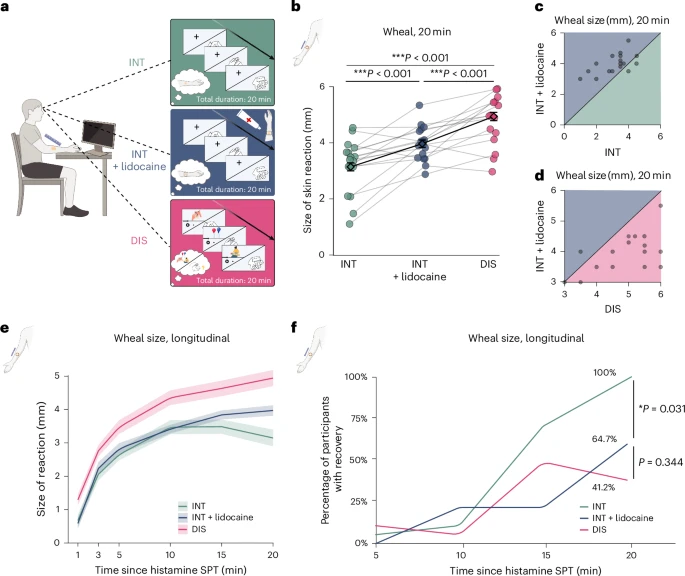
Fig. 2: Sensory signalling contributes to attentional regulation of inflammation.
Attenuated sensory input weakened, but did not abolish, the regulatory effect of attention. At the 20-min peak, wheal responses were larger when sensory signalling was attenuated compared to when it was intact, despite attention being directed internally in both conditions (4.0 ± 0.6 versus 3.1 ± 1.0 mm; t 16 = 4.3, P < 0.001, d = 1.04, 95% CI (0.44, 1.63); Fig. 2b,c). At the same time, regulatory effects persisted even when sensory signalling was attenuated. Wheal responses under lidocaine remained significantly smaller than those under distraction at the 20-min peak (4.0 ± 0.6 versus 4.9 ± 1.0 mm; t 16 = 4.9, P < 0.001, d = 1.19, 95% CI (0.55, 1.80); Fig. 2b,d) and across the entire response period (Fig. 2e and Supplementary Table 5.2). Sensation ratings did not differ between the lidocaine and distraction conditions (t 34 = 1.1, P = 0.290, d = 0.36, 95% CI (−0.31, 1.02)), indicating comparable levels of perceived sensory experience across these conditions and suggesting that differences in perceived sensory experience are unlikely to fully account for the observed immune effects.
Analyses of temporal dynamics revealed a dissociation between conditions: while both internal attention conditions (with and without sensory attenuation) resulted in a reduced overall inflammatory response relative to distraction, intact sensory signalling produced a greater decline towards baseline (Fig. 2e and Supplementary Table 5.2), with a higher proportion of participants showing stable or decreasing wheal size after 15–20 min (Fig. 2f and Supplementary Table 5.4). By contrast, recovery dynamics under sensory attenuation did not differ significantly from distraction (Fig. 2f and Supplementary Table 5.2), suggesting that sensory signalling specifically contributes to differences in the resolution phase of the response, under internal attention.
Together, these findings provide evidence that intact sensory signalling is mechanistically involved in attentional regulation of inflammation in humans. However, it does not fully account for the effect, suggesting an additional contribution of non-sensory, potentially top-down processes to inflammatory control.
Attention-driven inflammatory regulation involves top-down autonomic control
The sensory findings suggest that attentional processes contribute to immune regulation through mechanisms beyond sensory signalling. One possibility is that the sympathetic nervous system plays a part in response regulation, potentially through stress or increased autonomic arousal, which have been shown to influence inflammation [^27] [^28]. Another possible mechanism is parasympathetic vagal activation, a well-established neural route for anti-inflammatory control [^16] [^29] [^30], including in the skin [^31] [^32] [^33]. We therefore tested whether the immune effects observed above were accompanied by one of these autonomic profiles.
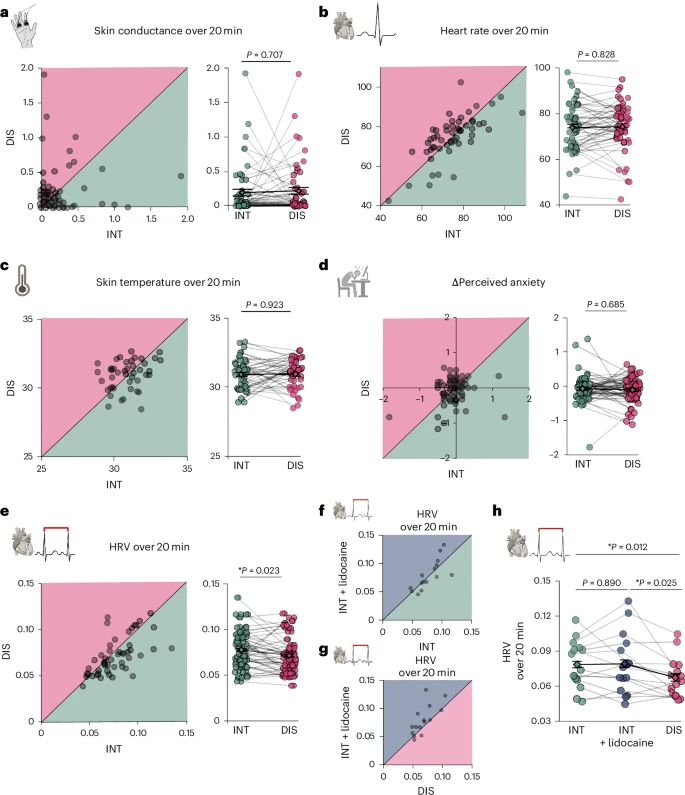
Sympathetic indices (skin conductance, heart rate and skin temperature), as well as perceived anxiety, showed no differences between internal attention and distraction across Exps. 1 and 2 (all P > 0.685; Fig. 3a–d and Supplementary Section 6). This indicates that attentional effects on inflammatory responses are unlikely to be explained by physiological arousal, stress or perceived anxiety. By contrast, heart rate variability (HRV), a widely used indirect index of vagal activity [^34], was significantly higher during internal attention than during distraction (t 48 = 2.4, P = 0.023, d = 0.34, 95% CI (0.05, 0.62); Fig. 3e), reflecting greater parasympathetic engagement when directing attention internally.
Fig. 3: Attentional regulation of inflammation is accompanied by vagal activation, independent of sensory signalling.
Finally, we tested whether such parasympathetic activation depends on intact sensory signalling or can be sustained by top-down attention alone. In Exp. 3, where sensory signalling was attenuated with lidocaine while attention was directed internally, HRV remained significantly higher than that in distraction (t 14 =2.5, P = 0.025, d = 0.65, 95% CI (0.08, 1.20)), but was indistinguishable from internal attention with intact sensory signalling (t 14 =0.1, P = 0.890, d = 0.04, 95% CI (−0.47, 0.54); Fig. 3f–h). This suggests that internal attention can sustain vagal activation even when sensory signalling is reduced. Together with the persistence of inflammatory regulation under sensory attenuation (Fig. 2), these findings are consistent with the possibility that top-down processes can engage anti-inflammatory pathways and that this engagement does not depend on sensory input.
Discussion
Attention has long been understood as a mechanism for shaping perception and neural representations of both external and internal sensory signals. Here, we asked whether such modulation extends to the regulation of downstream physiological processes. By contrasting two ecological attentional states under an identical immune challenge within the same individual, we demonstrate that directing interoceptive attention towards inflammation-related sensations produces smaller inflammatory responses, with temporal dynamics indicating faster return towards baseline compared to external distractions. This effect was highly consistent across participants and replicated across two independent cohorts. Our findings therefore establish a causal link between attention and immune regulation in vivo, suggesting that processes often considered autonomously regulated, such as inflammatory responses, are influenced by the voluntary allocation of attentional resources.
Beyond the overall effect, our data indicate that attentional regulation of inflammation involves both sensory-dependent and top-down processes. Directing attention towards inflammation-related sensations shifted immune responses while also enhancing their subjective perception, linking perceptual experience to inflammatory magnitude. To probe the role of sensory input more directly, we attenuated peripheral signalling using lidocaine while participants maintained internal attention. This manipulation selectively disrupted the later phase of the response: compared to internal attention with intact sensory signalling, the subsequent decline towards baseline was diminished, and fewer participants showed recovery, pointing to a role for sensory signalling in the resolution phase. Critically, however, this contribution depended on attentional state: although the distraction condition retained intact sensory signalling, it showed no comparable decline towards baseline, indicating that peripheral input supports these late-phase dynamics specifically when attention is directed internally. At the same time, immune responses under lidocaine remained overall more regulated than those under distraction, despite comparable perceived sensation ratings between these conditions. Together, these findings indicate that intact sensory signalling supports the return towards baseline of the inflammatory response when attention is directed inwards. However, internal attention alone appears sufficient to sustain a degree of inflammatory regulation.
We therefore examined whether attentional regulation of inflammation involves a complementary top-down pathway. The effects of internal attention were accompanied by increased HRV compared to distraction, consistent with parasympathetic vagal engagement and its known anti-inflammatory influence [^13] [^35] [^36]. As sympathetic measures of stress (including skin conductance, heart rate and skin temperature) and perceived anxiety were comparable between conditions, it is unlikely that this effect reflects generalized stress or arousal. The parasympathetic effects remained evident when sensory input was attenuated, with comparable HRV increases across internal attention conditions regardless of sensory attenuation, supporting the idea that this pathway operates independently of sensory input. Together, these findings suggest that sensory-dependent and top-down processes contribute through complementary mechanisms. Although their precise interaction remains to be determined, the temporal profile observed here raises the possibility that top-down attentional engagement supports preparatory or anticipatory regulation early in the response, whereas ongoing sensory feedback becomes particularly important for updating and resolving inflammatory activity over time.
At a mechanistic level, the skin provides a useful model for such interactions, as a densely innervated neuroimmune interface in which sensory, vascular and immune processes are closely coupled. Afferent sensory fibres convey inflammation-related signals to spinal and brainstem circuits, which project to higher-order regions involved in interoception and regulation (for example, insula, anterior cingulate cortex) [^37] [^38] [^39]. In this context, attentional amplification of inflammation-related signals may enhance central representation of inflammatory state, potentially enabling more precise regulation of the response. This interpretation converges with work in rodents showing that sensory afferents are necessary for immune regulation [^4] [^5] and extends it by suggesting that not only the presence of sensory input but also its attentional weighting shapes downstream immune responses. In parallel, higher-order neural processes such as internal attention may engage neuroimmune circuits that regulate inflammation through autonomic and humoral routes. One possibility is that internally directed attention may engage cortical systems involved in bidirectional interoceptive-autonomic signalling, including insular and cingulate cortices, which are linked to brainstem autonomic nuclei through descending regulatory pathways and have been implicated in parasympathetic control [^40] [^41] [^42]. Within this framework, attentional states may bias descending autonomic control signals even in the absence of changes in peripheral sensory input. This interpretation is consistent with the increased HRV observed during internal attention versus distraction, despite identical inflammation induction, yet the specific neural pathways and efferent mechanisms remain to be established. Although the parasympathetic nervous system does not directly innervate the skin, vagally mediated immunoregulation is thought to operate through the anti-inflammatory reflex, a multi-level circuit involving afferent inflammatory signalling, brainstem nuclei, sympathetic relay pathways such as the splenic nerve and downstream modulation of immune cell activity, including cytokine release by macrophages and other innate immune cells [^43] [^44] [^45]. These pathways may also influence vascular processes such as vasodilation and vascular permeability, which directly shape wheal and flare responses [^19] [^46]. The link between higher-order brain regions, autonomic activation and inflammation is further supported by evidence from animal models showing that cortical stimulation can exert top-down control over peripheral inflammation [^47] and by evidence in humans that voluntary engagement of autonomic pathways by trained participants can modulate inflammatory responses during experimental endotoxaemia [^48]. Together, these observations provide a biological framework through which parallel sensory-dependent and top-down processes may influence inflammation regulation. However, the precise neural and molecular mediators remain to be determined, and it is unclear whether these pathways converge on shared or distinct downstream immune mechanisms.
Our findings also extend prior evidence for the neural regulation of immunity in humans. Previous work has shown that immune responses can be shaped by top-down cognitive processes, including conditioning, stress and expectancy effects [^21] [^49] [^50] [^51] [^52] [^53] [^54] [^55], which typically rely on contextual or learned conditions. By contrast, the present findings show that immune modulation can arise from a purely endogenous shift in attention, without external cues, deception, training or peripheral manipulation. These findings further suggest a competitive relationship between interoceptive and exteroceptive processing. While such competition is well established in perception [^23] [^24], the present results indicate that it extends to physiological regulation, such that allocating attention to bodily signals influences how those signals are used to shape downstream inflammatory responses. This positions subjective sensory experience as a functional component of immune regulation, rather than a mere by-product, and raises the possibility that such perceptual processes may similarly influence regulation in other physiological systems.
Why might processes typically considered autonomous, such as inflammation, be sensitive to attentional state? Within predictive and allostatic frameworks of brain–body control [^9] [^12] [^15] [^56], the brain is thought to continuously anticipate and regulate bodily demands. In this context, attention can be understood as a contextual and preparatory signal, informing the brain about potential bodily demands and enabling efficient allocation of metabolic and immune resources. In the present findings, directing attention externally may disrupt this preparatory regulation, whereas deliberate engagement with bodily sensations may support efficient allostatic control by enhancing the precision of interoceptive signals. This account provides a mechanistic bridge between perception and physiology, whereby attentional gain on interoceptive signals directly shapes the updating of internal models that govern immune responses.
Although the present work was conducted in healthy participants, the results have broader implications. Turning attention away from unpleasant sensations is a common habit, and even a clinical practice [^57] [^58], used to reduce discomfort. Our results suggest that such strategies, in certain contexts, may come at a physiological cost, impairing the body’s ability to regulate inflammation. Furthermore, they raise the possibility that habitual avoidance of symptoms, whether through distraction or reliance on painkillers, could potentially contribute to the persistence of conditions such as chronic pain or inflammation, although this remains to be tested. Conversely, directing attention towards bodily sensations may support immune regulation. Attention-based interventions such as mindfulness and pain reprocessing therapy, which involve sustained engagement with bodily sensations and symptom-focused monitoring, have been shown to improve both symptoms and physiological outcomes, including inflammatory markers [^59] [^60]. These interventions are typically multi-component and unfold over time, making it difficult to isolate the specific cognitive mechanism driving physiological change. The present findings complement this literature by isolating a controlled attentional manipulation with real-time physiological consequences.
Several limitations should be considered when interpreting these findings. First, the present study does not directly measure the molecular or cellular mediators, limiting mechanistic resolution. Although our findings implicate sensory and autonomic pathways, the specific immune targets and signalling cascades remain to be established. Second, the experimental model reflects a localized, acute, histamine-induced inflammatory response in healthy participants, and it is unclear to what extent these findings generalize to other forms of immune responses, including infectious, chronic inflammatory or autoimmune conditions. In addition, reduced inflammatory magnitude may not universally reflect beneficial regulation, as inflammation is an adaptive process, whose optimal magnitude and duration depend on context [^61]. In sterile or excessive inflammatory states, faster resolution may support efficient tissue recovery and reduce unnecessary physiological cost, whereas in infectious contexts excessive attenuation could compromise host defence. Third, the current design does not fully dissociate effects on inflammation initiation versus resolution, as attention was manipulated from the onset of inflammation. Fourth, topical lidocaine does not uniformly block all afferent fibre types and may leave residual sensory input intact. Although perceived inflammation-related sensations did not differ between the lidocaine and distraction conditions, residual sensory contributions cannot be fully excluded. Fifth, HRV provides an indirect index of vagal activity, and more direct assessments of autonomic pathways will be required to fully characterize the underlying mechanisms. In addition, humoral mechanisms, such as cortisol-mediated pathways, were not assessed and may contribute to attentional modulation of immune responses. Finally, neuroimaging approaches (for example, functional magnetic resonance imaging (fMRI), electroencephalogram (EEG)) may help identify the central brain systems through which attention influences immune regulation, including regions involved in interoception and autonomic control. Together, these limitations point to important directions for future work integrating neural, immunological and physiological measurements and extending these paradigms to clinically relevant populations, including those with immune dysregulation, as well as to other inflammatory conditions and longer-term outcomes.
In conclusion, these findings establish that voluntary attention can directly regulate acute inflammation in humans. More broadly, they extend the role of attention from shaping perception to influencing physiological control. In this context, the results point to an attention–perception–regulation loop, in which attentional allocation shapes the processing of bodily signals, and the resulting subjective perception informs physiological responses. Crucially, this effect arose from a purely endogenous cognitive shift, without conditioning, external cues or pharmacological intervention, showing that voluntary attentional engagement alone is sufficient to regulate acute immune responses. Together, these findings implicate subjective sensory experience as an active contributor of immune regulation and extend predictive and allostatic models of brain–body interaction to include attention as an active regulatory component.
Methods
This study complied with all relevant ethical regulations. All participants provided written informed consent before participation. The study protocol was approved by the Helsinki Committee of Baruch Padeh Medical Center, Poriya (Northern Medical Center, Israel), approval number POR-0045-23, and was conducted in accordance with the ethical principles of the Declaration of Helsinki.
Pre-registrations
All experiments were pre-registered in advance, including the study’s hypotheses, design (sample size estimations, inclusion and exclusion criteria), primary outcome measures and analysis plans (Open Science Framework links provided below). Additional analyses reported in this paper, namely, recovery slopes, recovery classification and moderator analyses, were not specified in the pre-registration and should therefore be considered exploratory. Conversely, several secondary autonomic analyses specified in the pre-registration (low frequency/high frequency, standard deviation of R–R intervals and root mean square of successive differences between R–R intervals) were not performed and are therefore not reported. Links to the pre-registrations are provided here. Upon entering the links, the pre-registration can be found under the ‘files’ tab in the toolbar:
Participants
Participants were recruited between February 2024 and July 2025. A total of n = 59 participants were enrolled following an initial online screening for inclusion and exclusion criteria (see below). Exp. 1 (distraction as video clips) and Exp. 2 (matched distraction as a shape plausibility task) included independent sets of participants, whereas Exp. 3 included returning participants from both experiments. Three participants overall did not meet criteria and were therefore excluded from analyses (two in Exp. 2 and one in Exp. 3). Therefore, a total of n = 57 participants were included in the final analyses (Exp. 1, n = 37, 75% women, aged 21–42 years (26.8 ± 4 years); Exp. 2, n = 20, 60% women, aged 22–33 years (26.2 ± 2.9 years); Exp. 3, n = 17, 88.2% women, aged 21–31 years (24.2 ± 2.9 years). All participants received compensation of 60 NIS (~$16) per hour for their participation in each session.
Inclusion–exclusion criteria
All participants were above the age of 18 years. Exclusion criteria included the following: (1) contra-indications to histamine SPT or lidocaine, including pregnancy or breastfeeding, past anaphylaxis, asthma and G6PD deficiency, in the lidocaine experiment; (2) current acute respiratory virus infections or using medications that could interfere with test results, particularly antihistamines, tricyclic antidepressants, beta blockers and immunosuppressants; (3) current skin infections or inflammation on the left forearms, or any acute or chronic dermatological problems; (4) failure to complete the two experimental sessions and (5) known infectious diseases that could be transmitted through needle-stick or blood exposure (for example, hepatitis B/C, human immunodeficiency virus infection and tuberculosis).
Sample size calculation
All calculations used the G*Power tool version 3.1.9.7 [^62] and are mentioned in the pre-registrations. In Exp. 1, on the basis of the results of a pilot study, we set an a priori medium effect size of 0.5 with a power of 80%. This provided us with a required sample size of n = 35 participants, and we therefore collected n = 37. In Exp. 2, on the basis of the large effect size observed in Exp. 1 (Cohen’s d = 1.3), a power analysis suggested that only six participants are sufficient for 80% power. To ensure robustness, we performed an additional calculation with more conservative assumptions (d = 0.8, 95% power), which indicated a required sample size of n = 19 for a one-sided hypothesis (distraction > internal attention). This corresponds to 90% power for a two-sided test, and we collected n = 20. Finally, in Exp. 3, the required sample sizes (taking a conservative approach of d = 0.8 and 80% power) were n = 12 for a one-sided hypothesis and n = 15 for a two-sided test. We collected n = 17 participants.
In vivo acute cutaneous inflammation induction
Acute cutaneous inflammation was induced using a standardized histamine SPT [^18] [^19], which develops immediately, peaking within 15–20 min, and is indexed by the size of the wheal (oedema) and flare (erythema). Smaller responses are interpreted as more regulated inflammatory activity [^6] [^20] [^21] [^22]. The histamine SPT was applied to the middle third of the left forearm, with the location controlled individually across sessions. A trained experimenter, blinded to experimental conditions, placed one drop of histamine (10 mg ml [−1]) and pricked the skin with a sterile allergy lancet (Heinz Herenz Medizinalbedarf GmbH). After 30 s, the experimenter wiped off the remaining substance with a soft tissue. The histamine vial was removed from refrigeration 15 min before use and allowed to acclimate to room temperature.
Experimental set-up and paradigm
We used a within-subjects, counterbalanced design. Participants attended two laboratory sessions at the same hour, 3–5 days apart. Sessions were conducted in a laboratory room under controlled light and temperature conditions. Participants were informed that the experiment involved an allergy skin test, but the pharmacological agents (histamine and lidocaine) were not disclosed. Before each session, participants were instructed to avoid consuming alcohol, shaving their forearm and applying new topical or systemic treatments within 12 h before testing. At the beginning of each session, participants provided informed consent and reported their current health status, medication use, smoking, caffeine and alcohol consumption, physical activity and eating habits over the preceding 72 h. Before and after each session, participants rated their state anxiety (State-Trait Anxiety Inventory [^63]), with no significant differences between conditions (3.4 ± 0.5 versus 3.5 ± 0.8, P = 0.685; Fig. 3d and Supplementary Table 6.1), ensuring that attentional effects were not confounded. Female participants also reported the phase of their menstrual cycle. All participants were blinded to the study’s aim and conditions. Behavioural data were collected using Qualtrics survey platform (Qualtrics).
Each experimental session began with a 5-min baseline rest, followed by pre-recorded presentation of the attentional instructions in a counterbalanced manner and administration of the histamine SPT to induce acute local inflammation. Participants followed the instructions from the moment of the prick and throughout the subsequent 20 min. Inflammatory responses were measured six times following the SPT (1, 3, 5, 10, 15 and 20 min), by measuring the wheal and flare diameter with a standard ruler. Autonomic activation was recorded and is detailed below (‘Physiological recordings and pre-processing’). In Exp. 2, participants additionally rated cutaneous sensations (for example, itch, burning) on a visual analogue scale ranging from 1 to 100. In Exp. 3, the procedure was identical to that in Exp. 2, except that before the rest period a fixed area 3 × 3 cm around the prick area was marked, and a total of 0.3 g of lidocaine 5% cream (Esracain, Rafa) was applied over it.
At the end of the final session, participants were asked to guess the purpose of the study. Responses were coded into thematic categories [^64] (Supplementary Section 7). Fourteen percent (n = 8) correctly identified the link between attentional state and allergy test outcomes, while the majority gave broader or unrelated answers. Those who guessed correctly did not differ in their response patterns from the rest of the sample.
Experimental cognitive manipulation
Participants listened to pre-recorded instructions accompanied by on-screen text, counterbalanced for condition’s order, and were informed that they would later be asked questions about these instructions. The instructions were identical across experiments in both wording and delivery; the only difference concerned the direction of bodily attention, which was guided either towards or away from sensations arising at the test site, in line with prior work contrasting interoceptive and exteroceptive attention [^23] [^24].
Exp. 1
Participants maintained gaze on the screen throughout the experiment. They either viewed a fixation cross and were instructed to direct their attention towards their bodily sensations (internal attention) or viewed neutral, engaging video clips and were instructed to direct their attention towards them (distraction). Participants received the following instructions (presented verbatim): (1) internal attention, “During the test and until the end of the experiment, a fixation cross will appear on the screen. You are asked to look at the screen but pay attention only to your hand, where the test is being performed. Please pay attention to the sensations arising from your hand. If your attention wanders naturally, try to bring it back to your hand.”; (2) distraction, “During the test and until the end of the experiment, video clips will appear on the screen. You are asked to look at the screen but pay attention only to these video clips. Pay attention to the ideas presented in each of them. If your attention wanders naturally, try to bring it back to the videos”.
Exp. 2
Participants viewed a sequence of 37 shapes presented on a screen, each shown for 40 s. Of these, 18 were structurally plausible and 19 implausible [^65], violating basic spatial principles. The sequence order was mixed but held constant across sessions and participants. While the visual input remained identical between conditions, the instructions regarding allocation of attention to the immune response directed participants either towards or away from sensations at the test site as follows (presented verbatim): (1) internal attention, “During the test and until the end of the experiment, a sequence of different shapes will appear on the screen. You are asked to look at the screen but pay attention only to your hand, where the test is being performed. Please pay attention to the sensations arising from your hand. The shapes are intended to remind you to stay focused on your hand. If your attention wanders naturally, try to bring it back to your hand”; (2) distraction, “During the test and until the end of the experiment, a sequence of different shapes will appear on the screen. You are asked to look at the screen and pay attention only to the shapes that will be shown. Please concentrate on the shapes. Pay attention to their lines and structure. Try to imagine whether they could exist in reality. There are no right or wrong answers. If your attention wanders naturally, try to bring it back to the shapes”.
Exp. 3
In Exp. 3, the instructions were kept identical to those used in the internal attention condition of the previous experiments (Exp. 1 or 2), with participants hearing the exact format they had previously received.
Manipulation success verification
To confirm compliance with experimental instructions, participants in Exps. 1–3 completed manipulation checks at the end of each session.
Exps. 1 and 2
Participants rated to what extent they monitored sensations at their arm (that is, the test site; “To what extent did you monitor what was occurring on your hand?”) on a Likert scale from 1 (not at all) to 5 (very much). As expected, participants reported significantly greater attention to their arm under internal attention compared to distraction (Supplementary Section 3).
Exp. 2
An objective manipulation check was included to assess task-related attention. In both sessions and across conditions, participants answered three questions designed to probe different aspects of the shape stream: (1) to recall the overall number of shapes presented, (2) to estimate the proportion of structurally plausible shapes and (3) to discriminate plausibility between two exemplars. Each response was scored for accuracy according to its proximity to the correct value, with “I do not remember” and “I did not notice” responses coded as 0. Summed across items, this yielded a total accuracy score ranging from 0 to 3. As predicted in our pre-registration, scores were significantly higher in the distraction condition than in the internal attention condition (Supplementary Section 3), confirming that participants devoted more attention to the shapes when instructed to do so. Finally, Exp. 2 also assessed perceived task demands across conditions using visual analogue scale (0–100) post-task evaluation (internal attention, “How much effort did you put into sensing the sensations from your hand”; distraction, “How much effort did you put into imagining whether the shapes could exist in reality?”), with no significant differences between conditions (Supplementary Section 3), providing no evidence that cognitive load accounted for the observed immune effects (Supplementary Section 3).
Exp. 3
Participants completed manipulation checks at the end of the session. Specifically, we used the same question as in Exps. 1 and 2 (“To what extent did you monitor what was occurring on your hand?”) and then compared their responses under this condition to their responses under intact sensory signalling conditions (internal attention, distraction). Participants reported no significant difference in attention to their hand between the two internal attention conditions, regardless of sensory attenuation (4.1 ± 0.7 versus 4.3 ± 0.7, t 16 = 1.3, P = 0.206). By contrast, participants reported significantly greater attention to their hand during internal attention with sensory attenuation compared to distraction (4.3 ± 0.7 versus 3.1 ± 1.2, t 15 = 3.4, P = 0.004, Cohen’s d = 0.9; Supplementary Section 5). This indicates that participants were able to maintain internal attention even with sensory signalling attenuated.
Physiological recordings and pre-processing
Autonomic nervous system activation was recorded from baseline and throughout the experiment using a PowerLab 8/35 data acquisition system (ADInstruments). Physiological measurements included electrocardiogram (ECG), pulse finger, galvanic skin response (GSR) and skin temperature. ECG was recorded using pre-gelled adhesive electrodes: two placed on the wrists and a reference electrode placed on the right leg above the medial malleolus. The GSR was recorded using bipolar electrodes attached with straps to the middle phalanges of the first and third fingers of the left hand. Prior skin preparation involved washing the hands without soap and thoroughly drying them. A finger pulse sensor was placed on the upper phalanx of the second finger, and a skin temperature sensor on the medial aspect of the inner elbow, both on the left hand. In Exp. 2, respiration was recorded using a nasal cannula connected via polyvinyl chloride tubing to a pressure transducer (Sniff Logic). The respiratory signal was exported as an analogue signal (±5 V) to the PowerLab device. Sympathetic activation was assessed using LabChart software (version 8.1.30) as follows: (1) heart rate (beats per minute) was extracted from the ECG signal using a 40 Hz low-pass filter and the Cyclic Measurements function, (2) tonic GSR was obtained by applying a 0.05–35 Hz band-pass filter and calculating the signal’s standard deviation [^66], and (3) skin temperature (degrees Celsius) was analysed directly from the sensor signal without additional processing. Parasympathetic activity was assessed using HRV, quantified as the coefficient of variation of RR intervals (CVRR). CVRR expresses the standard deviation of RR intervals normalized by their mean, capturing beat-to-beat fluctuations in heart rate that primarily reflect vagal (parasympathetic) modulation of cardiac activity. Calculations were performed with LabChart’s HRV module, restricted to RR intervals between 600 and 1,200 ms and complexity set to 1–1.5. For all autonomic measures, we computed the average across the 20-min experimental period, with data time-aligned to the 1-min wheal and flare assessments.
As pre-registered, participants with missing or invalid physiological data were excluded from the respective analyses. In Exp. 1, missing data included n = 3 with missing GSR data, n = 1 with missing ECG data and n = 13 with missing skin temperature data. Invalid data included n = 1 invalid GSR standard deviation values and n = 3 invalid HRV data. In Exp. 2, n = 2 participants showed invalid HRV data.
Data analysis
Data were analysed using JASP version 0.95.1 and R Studio version 2025.05.0. Following our pre-registered analysis plan, comparisons between conditions in Exps. 1 and 2 (internal attention versus distraction) were performed using two-sided paired tests. For Exp. 3, comparisons between pharmacological manipulations (with versus without local anaesthesia) were performed using two-tailed paired t -test. When the Shapiro–Wilk test indicated a deviation from normality, the corresponding analyses were repeated with non-parametric tests, reported in Supplementary Section 8. All significant results remained significant. To examine the trajectories of wheal and flare responses over time in all experiments, we performed repeated-measures analysis of variance (ANOVA). Sphericity was assessed using Mauchly’s test, and when violated, Greenhouse–Geisser correction was applied. AUC was calculated using the trapezoidal rule to quantify the cumulative skin wheal and flare responses. AUC was computed for each participant across six time points (1–20 min following the histamine SPT). Finally, to examine recovery patterns over time, we created a dichotomous variable for each participant at the last time intervals (15–20 min): a decrease or no change in wheal or flare was coded as 1, and an increase was coded as 0. We then compared the experimental conditions using McNemar’s test. In Exp. 2, because the initial recovery analysis did not yield significant group differences, we conducted a complementary analysis focused specifically on the resolution phase. See Supplementary Section 2 for more details. All significance thresholds were defined as P < 0.05.
Reporting summary
Further information on research design is available in the Nature Portfolio Reporting Summary linked to this article.
Data availability
References
Acknowledgements
We thank A. Rolls and N. Sobel for their insightful advice and valuable discussions on this project, and O. Koren for his support and encouragement. We thank A. Peretz for his help and support along the way. Finally, we thank the Azrieli Faculty of Medicine and its dean, O. Avni, for their trust and belief in this work from its earliest stages.
Funding
The authors received no specific funding for this work.
Ethics declarations
Competing interests
The authors declare no competing interests.
Peer review
Peer review information
Nature Human Behaviour thanks Alexandre Kanashir and the other, anonymous, reviewer(s) for their contribution to the peer review of this work. Peer reviewer reports are available.
Additional information
Publisher’s note Springer Nature remains neutral with regard to jurisdictional claims in published maps and institutional affiliations.
Supplementary information
Supplementary Information (download PDF )
Supplementary Sections 1–9, Figures, Tables and Note.
Reporting Summary (download PDF )
Peer Review File (download PDF )
Source data
Source Data Fig. 1 (download XLSX )
Source Data Fig. 2 (download XLSX )
Source Data Fig. 3 (download XLSX )
Rights and permissions
Open Access This article is licensed under a Creative Commons Attribution 4.0 International License, which permits use, sharing, adaptation, distribution and reproduction in any medium or format, as long as you give appropriate credit to the original author(s) and the source, provide a link to the Creative Commons licence, and indicate if changes were made. The images or other third party material in this article are included in the article’s Creative Commons licence, unless indicated otherwise in a credit line to the material. If material is not included in the article’s Creative Commons licence and your intended use is not permitted by statutory regulation or exceeds the permitted use, you will need to obtain permission directly from the copyright holder. To view a copy of this licence, visit http://creativecommons.org/licenses/by/4.0/ (opens in new tab).
[^1]: Treue, S. Visual attention: the where, what, how and why of saliency. Curr. Opin. Neurobiol. 13, 428–432 (2003).
[^2]: Snyder, J. S., Gregg, M. K., Weintraub, D. M. & Alain, C. Attention, awareness, and the perception of auditory scenes. Front. Psychol. 3, 1–17 (2012).
[^3]: Johansen-Berg, H. & Lloyd, D. M. The physiology and psychology of selective attention to touch. Front. Biosci. 5, 894–904 (2000).
[^4]: Chiu, I. M. et al. Bacteria activate sensory neurons that modulate pain and inflammation. Nature 501, 52–57 (2013).
[^5]: Baral, P. et al. Nociceptor sensory neurons suppress neutrophil and γδ T cell responses in bacterial lung infections and lethal pneumonia. Nat. Med. 24, 417–426 (2018).
[^7]: Van Laarhoven, A. I. M. et al. Induction of nocebo and placebo effects on itch and pain by verbal suggestions. Pain 152, 1486–1494 (2011).
[^8]: Zhang, J. et al. Cortical and subcortical mapping of the human allostatic–interoceptive system using 7 Tesla fMRI. Nat. Neurosci. 28, 2380–2391 (2025).
[^10]: Barrett, L. F. & Simmons, W. K. Interoceptive predictions in the brain. Nat. Rev. Neurosci. 16, 419–429 (2016).
[^11]: Seth, A. K. & Friston, K. J. Active interoceptive inference and the emotional brain. Phil. Trans. R. Soc. 371, 20160007 (2016).
[^12]: Schulkin, J. & Sterling, P. Allostasis: a brain-centered, predictive mode of physiological regulation. Trends Neurosci. 42, 740–752 (2019).
[^13]: Jin, H., Li, M., Jeong, E., Castro-Martinez, F. & Zuker, C. S. A body–brain circuit that regulates body inflammatory responses. Nature 630, 695–703 (2024).
[^14]: Tracey, K. J. Reflex control of immunity. Nat. Rev. Immunol. 9, 418–428 (2009).
[^15]: Koren, T. et al. Insular cortex neurons encode and retrieve specific immune responses. Cell 184, 5902–5915.e17 (2021).
[^16]: Czura, C. J. & Tracey, K. J. Autonomic neural regulation of immunity. J. Intern. Med. 257, 156–166 (2005).
[^17]: Pavlov, V. A. & Tracey, K. J. Neural circuitry and immunity. Immunol. Res. 63, 38–57 (2015).
[^19]: Bamps, D. et al. Histamine skin prick tests: from established diagnostic technique to advanced experimental biomarker. Skin Pharmacol. Physiol. 36, 87–97 (2023).
[^20]: Darragh, M., Chang, J. W. H., Booth, R. J. & Consedine, N. S. The placebo effect in inflammatory skin reactions: the influence of verbal suggestion on itch and weal size. J. Psychosom. Res. 78, 489–494 (2015).
[^21]: Howe, L. C., Hardebeck, E. J., Eberhardt, J. L., Markus, H. R. & Crum, A. J. White patients’ physical responses to healthcare treatments are influenced by provider race and gender. Proc. Natl Acad. Sci. USA 119, 1–8 (2022).
[^22]: Zachariae, R., Jørgensen, M. M., Egekvist, H. & Bjerring, P. Skin reactions to histamine of healthy subjects after hypnotically induced emotions of sadness, anger, and happiness. Allergy 56, 734–740 (2001).
[^23]: Farb, N. A. S., Segal, Z. V. & Anderson, A. K. Attentional modulation of primary interoceptive and exteroceptive cortices. Cereb. Cortex 23, 114–126 (2013).
[^24]: Fló, E. et al. Predicting attentional focus: heartbeat-evoked responses and brain dynamics during interoceptive and exteroceptive processing. PNAS Nexus 3, 1–15 (2024).
[^25]: Pipkorn, U. & Amdersson, M. Topical dermal anaesthesia inhibits the flare but not the weal response to allergen and histamine in the skin-prick test. Clin. Allergy 17, 307–311 (1987).
[^26]: Sicherer, S. H. & Eggleston, P. A. EMLA cream for pain reduction in diagnostic allergy skin testing: effects on wheal and flare responses. Ann. Allergy Asthma Immunol. 78, 64–68 (1997).
[^27]: Qing, H. et al. Origin and function of stress-induced IL-6 in murine models. Cell 182, 372–387.e14 (2020).
[^28]: Le, C. P. et al. Chronic stress in mice remodels lymph vasculature to promote tumour cell dissemination. Nat. Commun. 7, 10634 (2016).
[^29]: Chu, C., Artis, D. & Chiu, I. M. Neuro-immune interactions in the tissues. Immunity 52, 464–474 (2020).
[^30]: Tracey, K. J. Reflexes in immunity. Cell 164, 343–344 (2016).
[^31]: Chavan, S. S., Pavlov, V. A. & Tracey, K. J. Mechanisms and therapeutic relevance of neuro-immune communication. Immunity 46, 927–942 (2017).
[^32]: Pavlov, V. A., Wang, H., Czura, C. J., Friedman, S. G. & Tracey, K. J. The cholinergic anti-inflammatory pathway: a missing link in neuroimmunomodulation. Mol. Med. 9, 125–134 (2003).
[^33]: Wilson, S. R. et al. The epithelial cell-derived atopic dermatitis cytokine TSLP activates neurons to induce itch. Cell 155, 285–295 (2013).
[^34]: Huston, J. M. & Tracey, K. J. The pulse of inflammation: heart rate variability, the cholinergic anti-inflammatory pathway and implications for therapy. J. Intern. Med. 269, 45–53 (2011).
[^35]: Williams, D. P. et al. Heart rate variability and inflammation: a meta-analysis of human studies. Brain Behav. Immun. 80, 219–226 (2019).
[^36]: Alen, N. V., Parenteau, A. M., Sloan, R. P. & Hostinar, C. E. Heart rate variability and circulating inflammatory markers in midlife. Brain Behav. Immun. Health 15, 100273 (2021).
[^37]: Drzezga, A. et al. Central activation by histamine-induced itch: analogies to pain processing: a correlational analysis of O-15 H 2 O positron emission tomography studies. Pain 92, 295–305 (2001).
[^38]: Mochizuki, H. et al. Imaging of central itch modulation in the human brain using positron emission tomography. Pain 105, 339–346 (2003).
[^39]: Leknes, S. G. et al. Itch and motivation to scratch: an investigation of the central and peripheral correlates of allergen- and histamine-induced itch in humans. J. Neurophysiol. 97, 415–422 (2007).
[^40]: Beissner, F., Meissner, K., Bär, K.-J. & Napadow, V. The autonomic brain: an activation likelihood estimation meta-analysis for central processing of autonomic function. J. Neurosci. 33, 10503–10511 (2013).
[^41]: Thayer, J. F. & Lane, R. D. Claude Bernard and the heart–brain connection: further elaboration of a model of neurovisceral integration. Neurosci. Biobehav. Rev. 33, 81–88 (2009).
[^42]: Critchley, H. D. & Harrison, N. A. Visceral influences on brain and behavior. Neuron 77, 624–638 (2013).
[^43]: Pavlov, V. A. & Tracey, K. J. Neural regulation of immunity: molecular mechanisms and clinical translation. Nat. Neurosci. 20, 156–166 (2017).
[^44]: Rosas-Ballina, M. & Tracey, K. J. The neurology of the immune system: neural reflexes regulate immunity. Neuron 64, 28–32 (2009).
[^45]: Vida, G. et al. β2-adrenoreceptors of regulatory lymphocytes are essential for vagal neuromodulation of the innate immune system. FASEB J. 25, 4476–4485 (2011).
[^46]: Chiu, I. M., Von Hehn, C. A. & Woolf, C. J. Neurogenic inflammation – the peripheral nervous system’s role in host defense and immunopathology. Nat. Neurosci. 15, 1053–1067 (2013).
[^47]: Bassi, G. S. et al. Cortical stimulation in conscious rats controls joint inflammation. Prog. Neuropsychopharmacol. Biol. Psychiatry 84, 201–213 (2018).
[^48]: Kox, M. et al. Voluntary activation of the sympathetic nervous system and attenuation of the innate immune response in humans. Proc. Natl Acad. Sci. USA 111, 7379–7384 (2014).
[^50]: Keller, J. K. et al. SARS-CoV-2 specific sIgA in saliva increases after disease-related video stimulation. Sci. Rep. 13, 1–10 (2023).
[^51]: Howe, L. C., Goyer, J. P. & Crum, A. J. Harnessing the placebo effect: exploring the influence of physician characteristics on placebo response. Annu. Rev. Psychol. 36, 1074–1082 (2017).
[^52]: Goebel, M. U. et al. Behavioral conditioning of immunosuppression is possible in humans. FASEB J. 16, 1869–1873 (2002).
[^53]: Cohen, S., Tyrrell, D. A. & Smith, A. P. Psychological stress and susceptibility to the common cold. N. Engl. J. Med. 325, 606–612 (1991).
[^54]: Lasselin, J. Back to the future of psychoneuroimmunology: studying inflammation-induced sickness behavior. Brain Behav. Immun. Health 18, 100379 (2021).
[^55]: Ader, R., Cohen, N. & Felten, D. Psychoneuroimmunology: interactions between the nervous system and the immune system. Lancet 345, 99–103 (1995).
[^56]: Koren, T. & Rolls, A. Immunoception: defining brain-regulated immunity. Neuron 110, 3425–3428 (2022).
[^57]: Teh, J. J. et al. Efficacy of virtual reality for pain relief in medical procedures: a systematic review and meta-analysis. BMC Med. 22, 64 (2024).
[^58]: Kouijzer, M. M. T. E., Kip, H., Bouman, Y. H. A. & Kelders, S. M. Implementation of virtual reality in healthcare: a scoping review on the implementation process of virtual reality in various healthcare settings. Implement. Sci. Commun. 4, 67 (2023).
[^60]: Ashar, Y. K. et al. Effect of pain reprocessing therapy vs placebo and usual care for patients with chronic back pain: a randomized clinical trial. JAMA Psychiatry 79, 13–23 (2022).
[^61]: Medzhitov, R. Origin and physiological roles of inflammation. Nature 454, 428–435 (2008).
[^62]: Erdfelder, E. G * Power 3: a flexible statistical power analysis program for the social, behavioral, and biomedical sciences. Behav. Res. Methods 39, 175–191 (2007).
[^63]: Fioravanti-Bastos, A. C. M., Cheniaux, E. & Landeira-Fernandez, J. Development and validation of a short-form version of the Brazilian state-trait anxiety inventory. Psicol. Reflex. Crit. 24, 485–494 (2011).
[^64]: Shkedi, A. Words That Try to Touch: Qualitative Research - Theory and Application (Ramot - Tel Aviv University, 2003).
[^65]: Perl, O. et al. Human non-olfactory cognition phase-locked with inhalation. Nat. Hum. Behav. 3, 501–512 (2019).
[^66]: Endevelt-Shapira, Y. et al. Altered responses to social chemosignals in autism spectrum disorder. Nat. Neurosci. 21, 111–122 (2018).